Applications and interviews · 6 min read
Finding cocoa and agriculture jobs in Ghana
Separate farm, research, quality, public service and cocoa board work before applying.
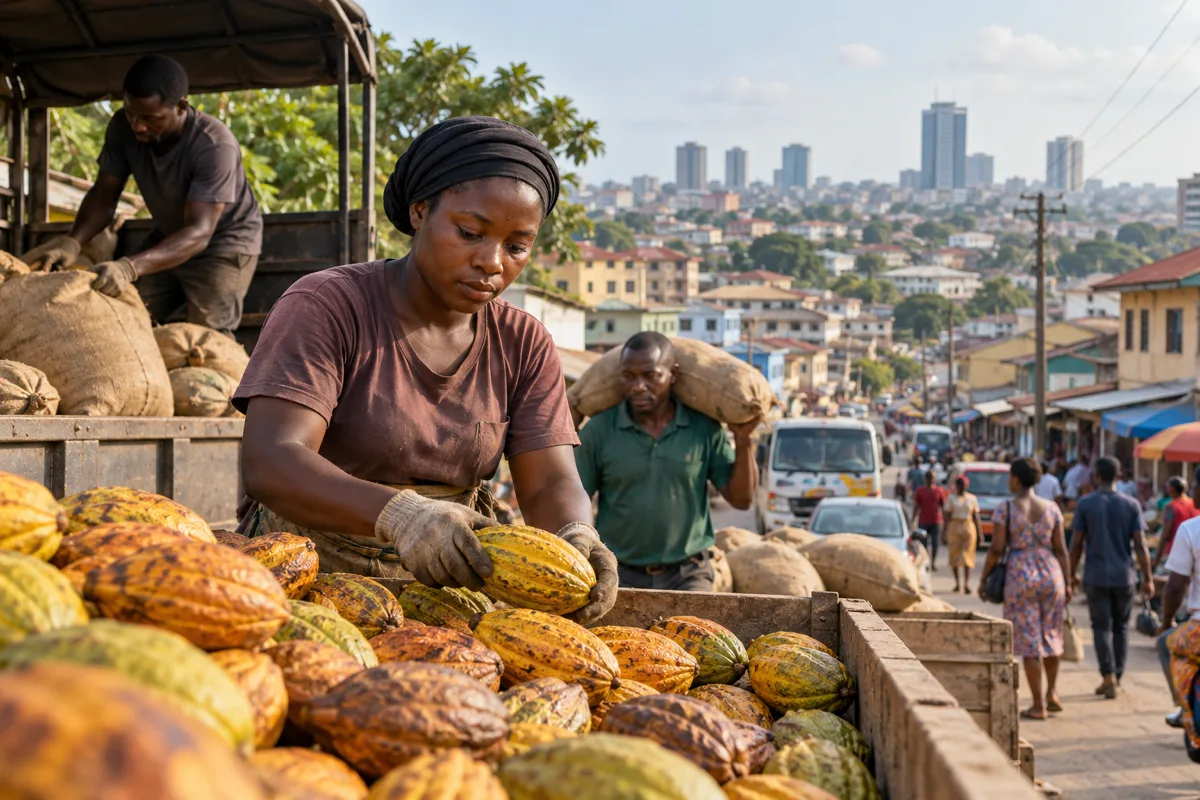
A Ghanaian agriculture search can lead to a farm, input supplier, research unit, processing business or public agency. Cocoa adds its own chain of production, quality, logistics and administration. COCOBOD describes many directorates beyond field work, while the Ministry of Food and Agriculture manages its own recruitment and training. The employer and worksite matter more than a broad sector label. This guide helps applicants choose a function, verify the real vacancy and present evidence from field, laboratory or office work.
Map the employer and the actual work
COCOBOD's official structure describes agronomy, quality control, research, audit, finance, procurement, transport and other functions. That does not mean a single COCOBOD career page has every opening. The Ministry of Food and Agriculture describes its HR function and public-sector recruitment route. A cocoa exporter, buying company or farm may hire separately. Start by identifying which organisation will employ you and where the work will be done. A role based in an Accra office may support regional field operations; a field role can require regular travel.
Read the duty statement for the real task. A quality technician may handle sampling and records; an extension worker may support farmers and report visits; a warehouse worker may track stock and dispatch; a finance assistant may reconcile payments. These are not interchangeable because they all mention cocoa. Do not copy one generic agriculture CV into each. Save the employer's current advert and reference, then match your evidence to the task.
Use official notices and distinguish training from employment
Check the named organisation's site for the actual application instructions. A Ministry project may publish a dated PDF with a specific contact and closing time; the Public Services Commission can advertise other public roles. Do not treat an old project PDF as a live job. COCOBOD news about a past National Service cohort is evidence that a placement existed, not a notice that the same intake is open now. Follow the current NSA portal for service postings and ask the host about any later formal vacancy.
For a private agriculture employer, verify its legal name and application domain. A recruiter may use a familiar cocoa brand while actually representing a different supplier or none at all. Ask who signs the contract, pays you and supervises the work. If a training programme is advertised, read its eligibility, certificate, stipend and placement terms separately from staff employment. Workghana.net links to original employers and charges no fee. Do not pay someone who claims to reserve a place at a buying station or research institute.
Show specific, safe work in your application
For field experience, describe crop or farmer data you collected, how you checked it and what you did with an unusual result. For quality work, describe sampling, hygiene, calibration or traceability within your actual training. For stores and transport, show accurate counts and handovers. For research, state the method, your contribution and limitations. Do not publish identifiable farmer records, prices from a confidential contract or customer lists as portfolio evidence. A short project with anonymised or public data can show the same reasoning safely.
If you studied agriculture, give the exact qualification and institution. GTEC and CTVET offer official accreditation information for tertiary and technical routes. Do not describe a workshop as a diploma. National Service or supervised placements can be relevant, but state their actual dates and status. A COCOBOD or ministry employer will need confidence that you can document work carefully; a claim of passion for farming is not enough. Use one example that shows how you corrected a mistake or sought guidance before it affected others.
Read rural and project terms before accepting
Ask for the legal employer, duty station, travel area, pay, allowances, equipment, housing or transport, contract term and reporting line in writing. A field role can have costs that an office candidate may not expect. If the work follows a season or project, ask whether the end date is fixed and how renewal is decided. If the role requires a motorbike, licence or mobile device, clarify who supplies and maintains it. Ghana's Labour Act is the starting framework for employment conditions, but the actual arrangement must be read.
Calculate travel time at the hours you would work. A job advertised for a region can require visits to multiple districts. Ask how expenses are reimbursed and documented. If an agency supplies workers to a farm or processing site, know which entity pays and handles a safety concern. Keep the advert, contract and first payslip. A higher gross figure may be a worse option if you carry significant fuel or accommodation costs without clear reimbursement.
Grow from a first role into a stronger function
Keep a lawful work record: tasks, tools, sites, supervisors and outcomes that can be verified. An extension assistant might progress to programme coordination; a quality assistant to laboratory or audit work; a store worker to inventory control. Each needs different additional skill. Ask what the next actual vacancy requires before buying a course. If a qualification is required, use GTEC or CTVET to check the route. COCOBOD's organisational structure can help you see functions, but it is not a guarantee of vacancies or career progression.
Follow official sites and relevant employers on a schedule. An agriculture vacancy may appear briefly and close before an old search result updates. If applications fail, check location, required certification and whether your CV shows the exact task. A narrower role with good supervision can build stronger evidence than a vague promise of rapid promotion. The aim is a sustainable career based on reliable records, safe work and a verified employer, whether your route begins in cocoa, another crop or a supporting service.
Sources and further reading
- Ghana Investment Promotion Centre: Labour Act, 2003 (Act 651)
- Public Services Commission: job vacancies
- Ghana Tertiary Education Commission: accreditation
- Commission for Technical and Vocational Education and Training: accreditation
- National Service Authority: personnel portal
- Ministry of Food and Agriculture: human resource development
- Ghana Cocoa Board: structure and operations
Explore this topic
Frequently asked questions
Does COCOBOD work only involve farms?
No. Its official structure includes research, quality, finance, procurement and other functions.
Is an old ministry PDF a current job?
Only if its own deadline and employer instructions are still current; verify before applying.
Can National Service count?
Yes, if you name the host and describe your real supervised work.
Should I pay for a buying-station placement?
No. Verify the employer and apply through its authorised process.